About Us
About Special Children Special People - SCSP
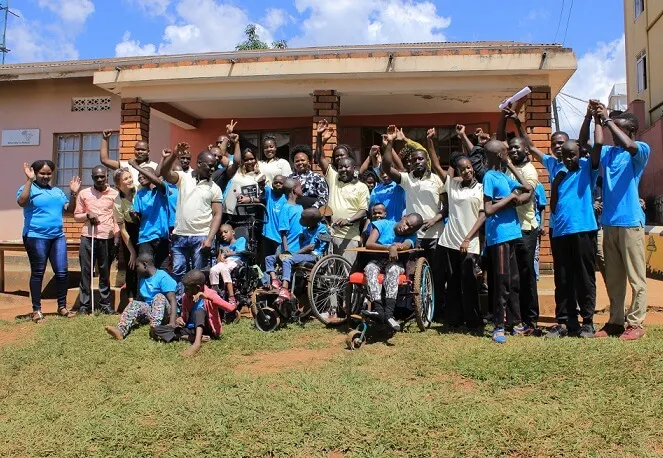
Special Children Special People (SCSP) is a registered indigenous NGO in Uganda (Registration No. INDR1665812NB). We operate from Luwule village, Mpigi district, working directly with children with disabilities, their caregivers, schools and community leaders.
SCSP was founded in response to the visible gaps in services for children with special needs, particularly among low-income families. Over the years, the organisation has grown from small community outreach activities into a recognised centre providing rehabilitation services, inclusive education, caregiver empowerment and disability awareness.
Our work is grounded in local realities while informed by international best practices in special education and rehabilitation.
Enhancing Inclusion of Children with Special Needs is important in reduction of neglect, combating stigma and abuse – after realizing that many young PWDs have challenges to adopt into formal education due to factors such as low level of perception, low self-esteem, low egos, psychological torture among others.

Our Vision
To advance inclusive education, rehabilitation, research, advocacy and family empowerment for children with disabilities through sustainable community-based programmes and partnerships.
Our Mission
Children and persons with disabilities fully integrated into their communities with dignity and opportunity.
SCSP's Core Values
Our work and commitment is driven by;
- Respect for dignity and human rights
- Accountability and responsible stewardship of resources
- Inclusion and participation
- Compassion for families and caregivers
- Commitment to long-term outcomes.
Objectives of SCSP Uganda
Our services aim at achieving the following objectives;
- To support special needs children towards self-independence through assessments, early intervention, inclusive education and rehabilitation.
- To extend welfare support to children and families affected by disability and HIV.
- To promote human rights through advocating for legislation, policies and educating communities on the potential of persons with disabilities towards positive attitude and support.
- To promote home and community based locally made rehabilitation intervention therapy tools while conserving the environment.
- To promote the use of technology among people with disabilities.
- To empower families affected by disability economically while building their capacities